


 Was that little guy adorable or what?? But that video's still on the list of upcoming attractions. I'll post it here when it's done. Aw, he was such a cutie. He tried to threaten me by showing me his tiny tiny tiny teeth and squeaking at me. Aww. I want a pet bat ... :-)
 Linnaéa borealis. A great year for them this year, they're everywhere. They were my grandmother's favorite flower, they always make me think of her.
 One of the goat kids spending the summer at the shieling this year. Don't ask what happens to them when the summer's over ...
 We had a little bit of rain, but mostly sun.
 A frog I met while hiking to Wild Man's Valley. Is this fellow gorgeous or what. :-)
 Lom stave church (late 1170s).
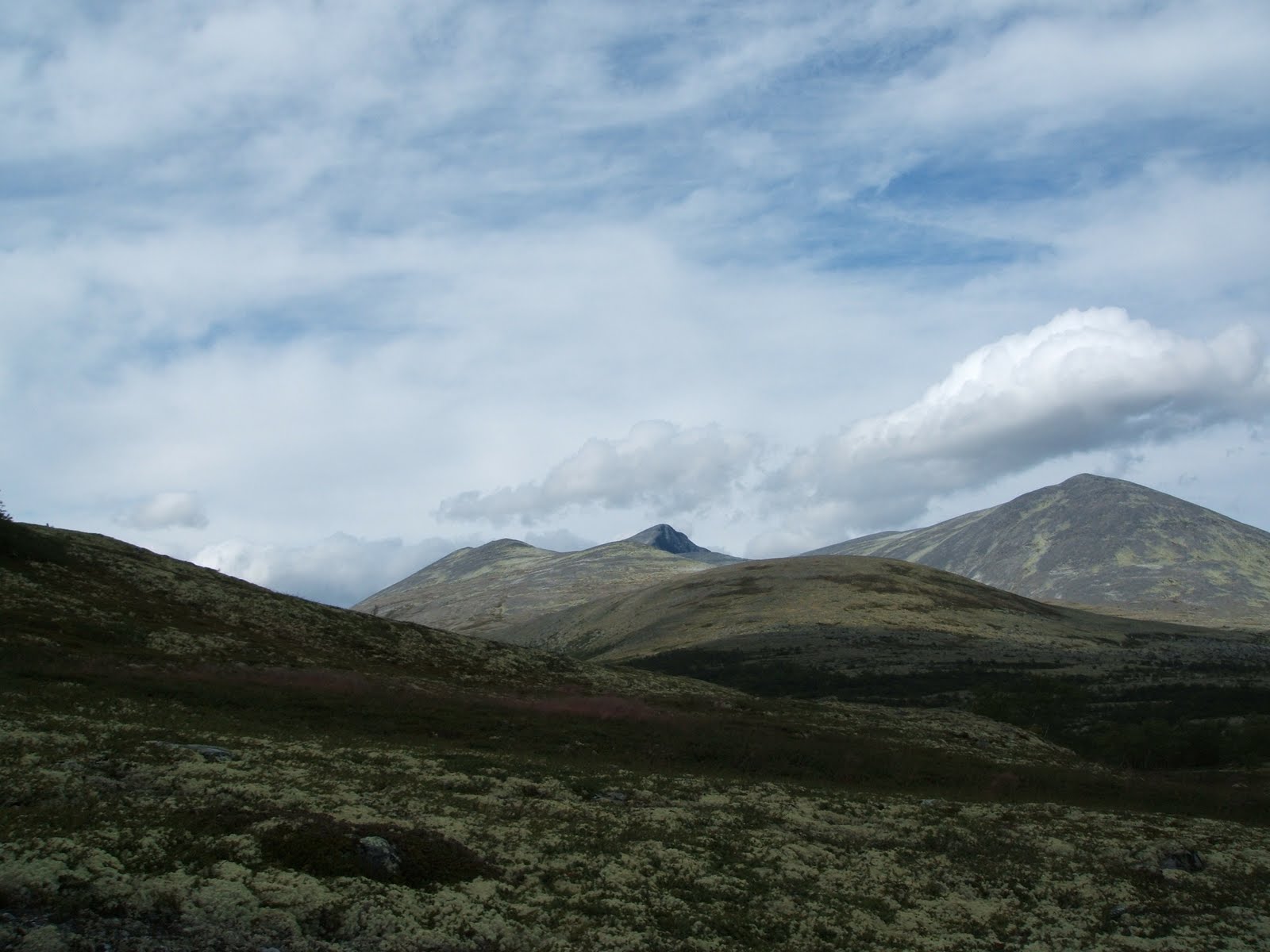
 Oh, the scenery ... !!!
 In Ireland I will have internet access, apparently, or so Paz says, at least. :-) So more photos coming up soon, presumably. More, but different. :-)
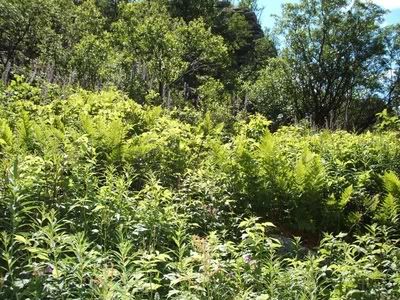 The purplish plants you see here are called tyrihjelm (Aconitum lycoctonum). I'm not sure what the name means, except that hjelm means helmet. The popular name for the plant in the East Valley is lushatt, which means louse hat - the plant can be used to make an effective remedy against head lice. I think this is most often called wolfsbane in English.
 These were my grandmother's favorite flowers - linnea (Linnaea borealis). They are tiny and delicate; the flower grows in pairs of beautiful pale pink bells, and they smell of sweet almonds. This is the flower that the greatest of the great botanists, Carl von Linné, picked as the one he wanted to forever bear his own name. This plant tends to grow in certain specific spots - they send out long extended roots that new stems sprout from, so if you find one, you'll always find more. I know the right places to find them in the area around our cabin - of course I know ;-) - and I used to always pick a bouquet of them for my grandmother. She appreciated this especially in the last few years of her life when she wasn't in shape to walk anywhere much herself. But she always got her linnea. :-) I think the English name is twinflower.
  A closer look at some individual plants. They are so beautiful ... a pity the color doesn't show up very well in these shots. Next summer I'll try to get some better ones, with my new camera, which I haven't had the chance to use up there yet. But also, the flowers do tend to get less pink and more white as the summer wanes.
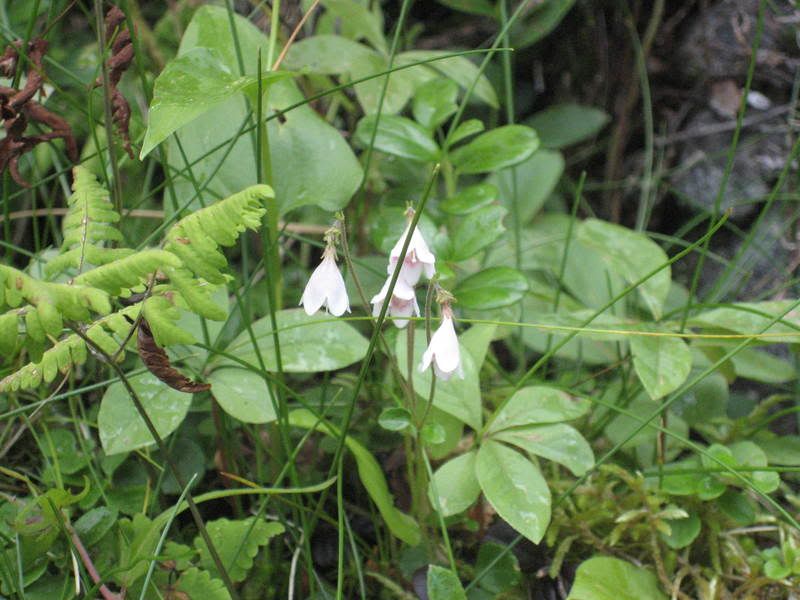 The plant grows in various types of forested environment. They love the shade and are often found growing more or less underneath larger species.
 Reinlav or reinmose (Cladonia rangiferina) is extremely common in this area. It grows almost everywhere, and the growths can be very dense, as you see here. The name means reindeer moss - the name is due to the fact that this species is a favorite winter food of the wild reindeer that live in this and other mountainous areas. I think this name is in relatively common use in English too (ie reindeer moss).
 Tettegras (Pinguicula alpina). Umm ... butterwort, right? This and the two other Pinguicula species listed here are the only carnivorous plants in this country. No flower, alas ... I was there too late in the year this summer, there were only leaves left on all the specimens I saw.
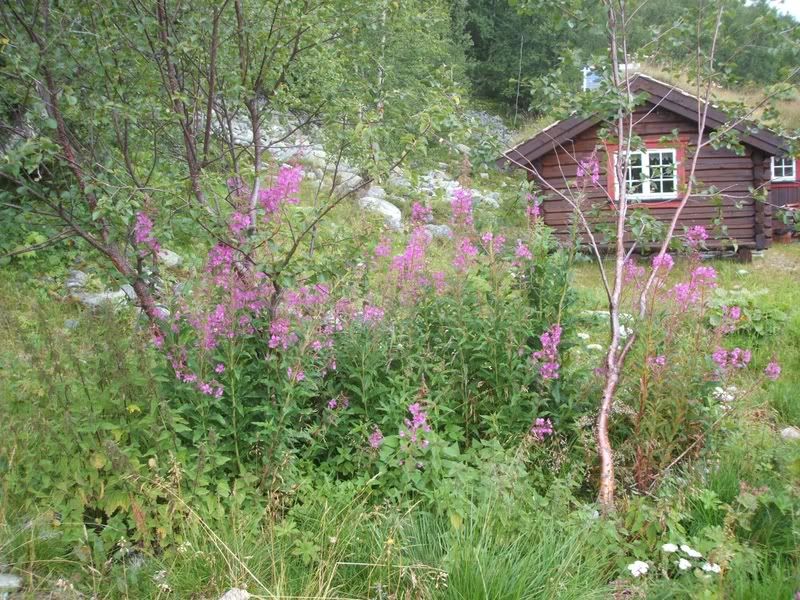
 Geitrams (Epilobium angustifolium) - fireweed in English - which is always colorful, is extra bright at the high altitudes our cabin is at. And this year they were especially vibrant ... I'd never seen them so brightly colored before. Beautiful. The house in the background is the one Hilde and Storm built after retiring as managers at Bjørnhollia.
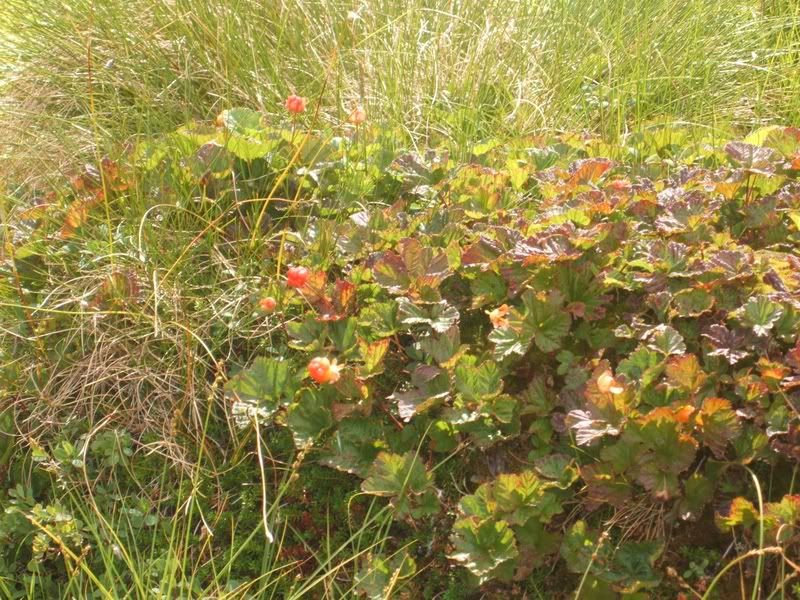
 2008 was a lousy year for cloudberries (Rubus chamaemorus), but of course there are always some. They are called multe in Norwegian, and are generally considered an acquired taste. ;-)
 Another very common species of plant in this area is røsslyng (Calluna vulgaris). Yeah, basically heather. :-) It's closely related to the erica species, but it's a separate species. It grows in very varied terrain, but it does prefer open spaces with lots of sunlight. The brightness of the flowers varies from year to year ... this year there were a lot of plants with very strongly colored flowers. Don't ask me why, but it was certainly very pretty. :-)
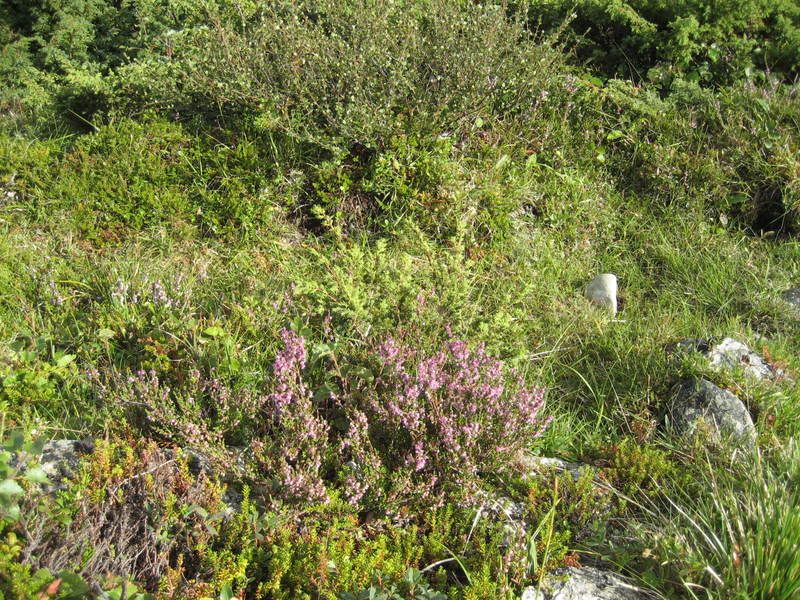 More heather ... this was in more marshy terrain, the picture above is of a dry spot.
 My mother picked a huge bouquet of them, which of course was absolutely beautiful. I mean, wow. :-)
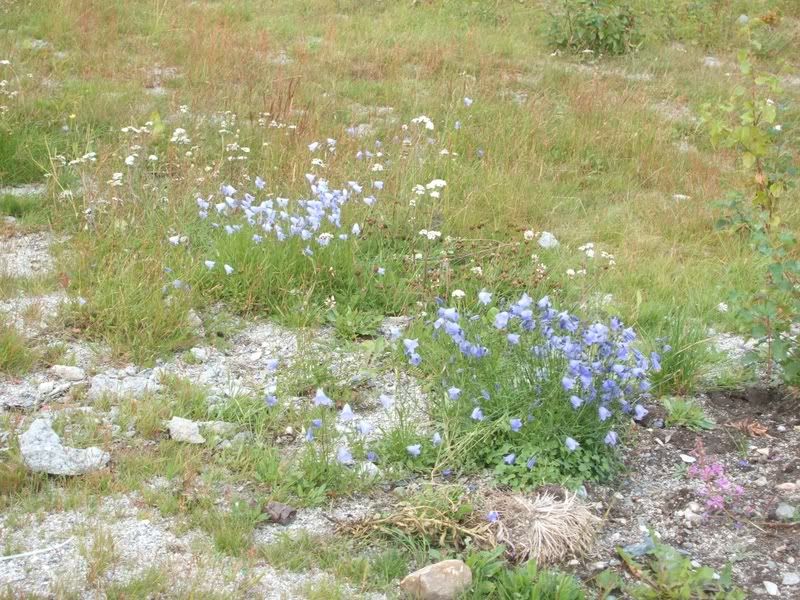
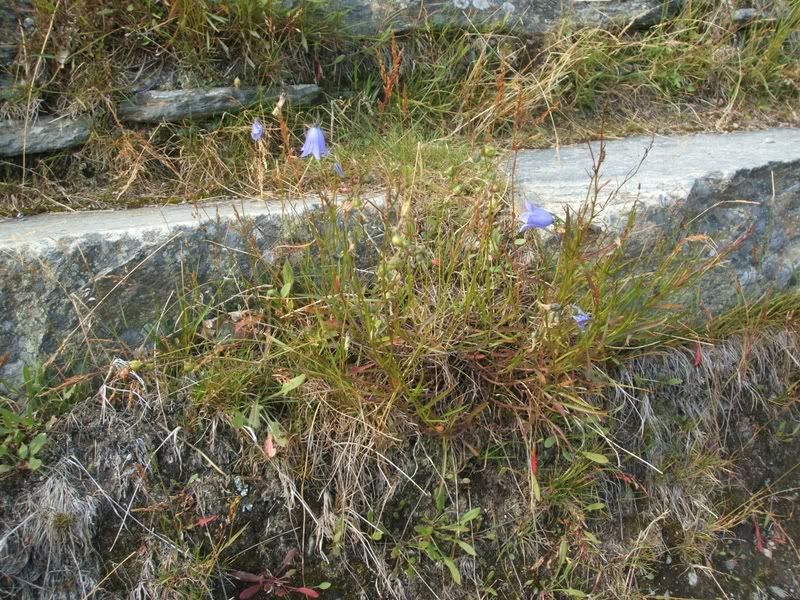
 Bluebells (Campanula rotundifolia)!! They are so pretty, I love their color ... pale but still so striking against the mountain grasses. :-) They're called bluebells in Norwegian - blåklokker - but the English name is harebell. These were growing randomly by the side of the road in Røros.
 And these were on the stairs in the churchyard there. :-)
 This next plant is one of several closely related species (they differ in color) which grow on sunny open hillsides in mountainous areas. They're pretty rare. The family name in Norwegian is søte, ie sweet ... this purple one is called bittersøte, bittersweet. Not sure about the latin name. I'll find out. The flowers need strong sun to open - when they're closed, which is most of the time, they're very humble and unassuming and very easy to miss ...
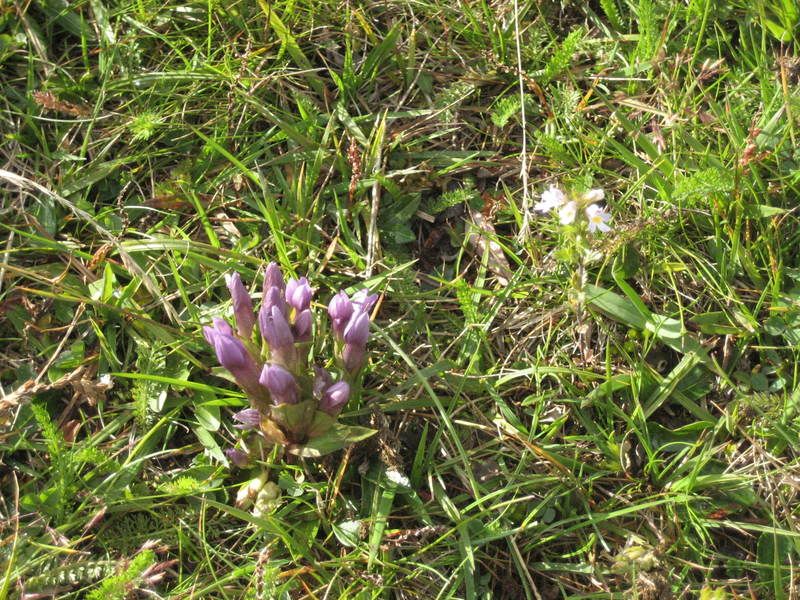 ... but when they open up, they're just absolutely beautiful. :-)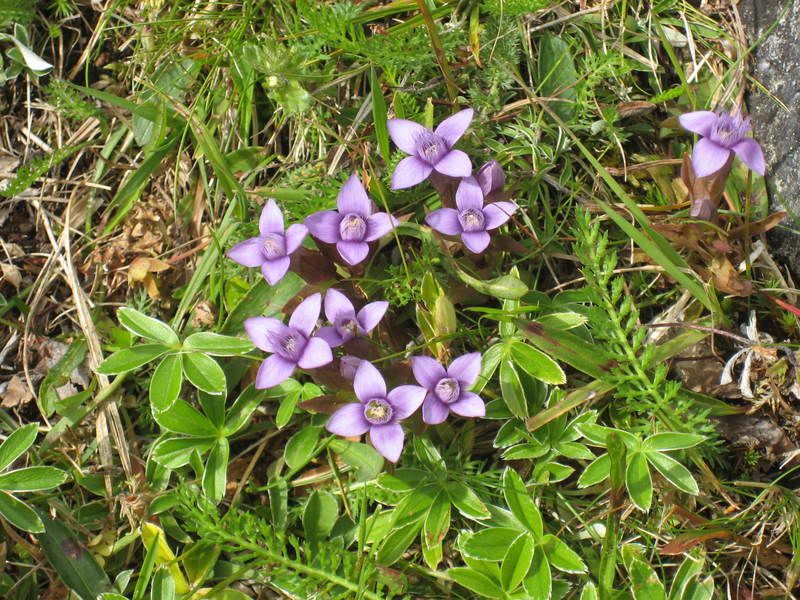
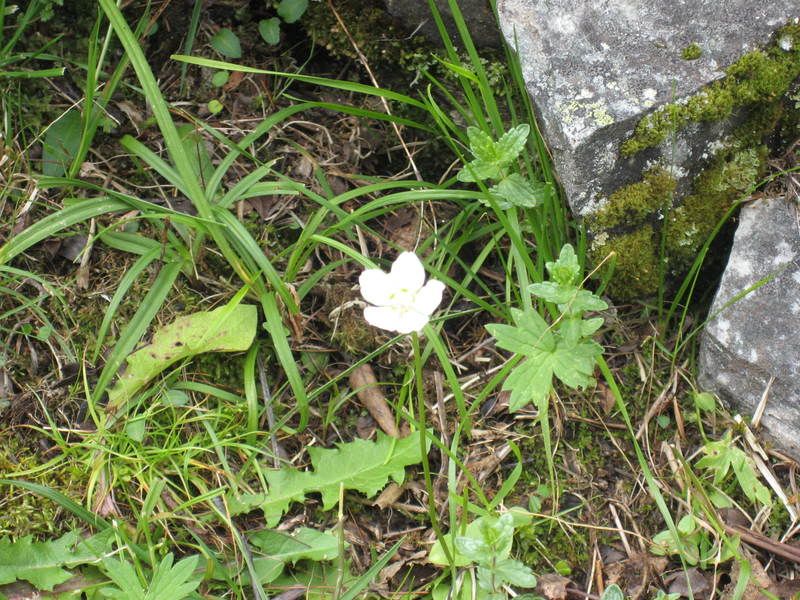 This next one is quite common and easy to find - kattefot and harelabb are the common names for it. (Cat's paw and hare's foot. :-) I don't know either the latin name or the correct English name ... I'll do some research. And next summer I'll take some better pictures. :-)
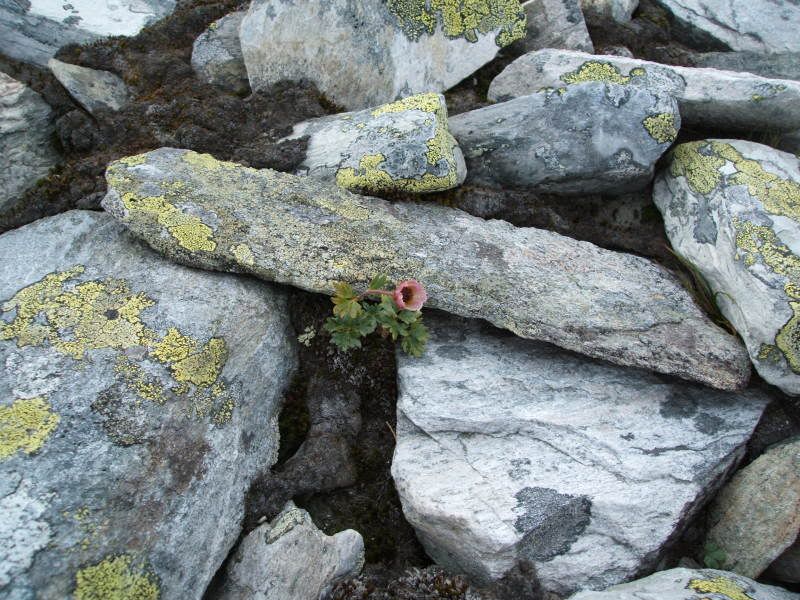
 And finally, another very rare plant, which I think I've only seen the time a couple of years ago when I took this picture. Maybe a few more times, I'm not sure. Mogop (Anemone vernalis) prefers very rocky ground - as you see - it grows in places where few other plants manage to survive. A very hardy species ... and quite beautiful, although as you see quite tiny.
 Whew, this took forever ... ! And now I can hardly wait for summer ... ;-)
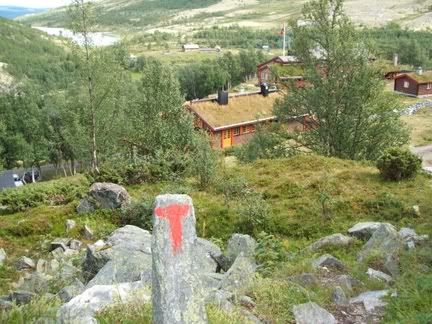 Front left: the managers' house; front right: the old sleeping quarters. Back left: the employees' residence. Center: the main building, which houses the kitchens, the common room, cellars, dining hall, various sleeping quarters.
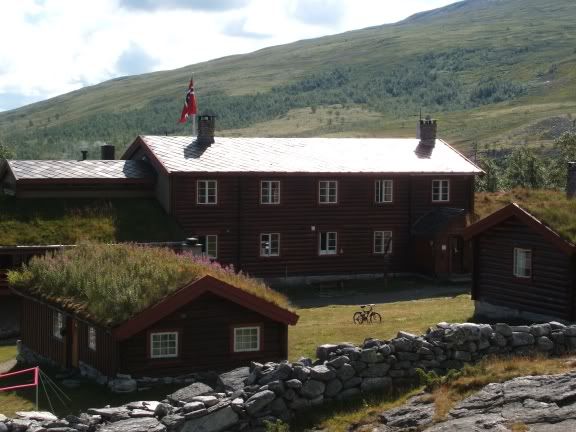 Front: the byre; back: employees' residence and main building; center: the dormitory building.
 A view of the whole place, seen from across the valley, ie, the slope of mount Musvollkampen.
 These pictures (above) were all taken in the summer of 2005. But nothing's changed since then. :-)
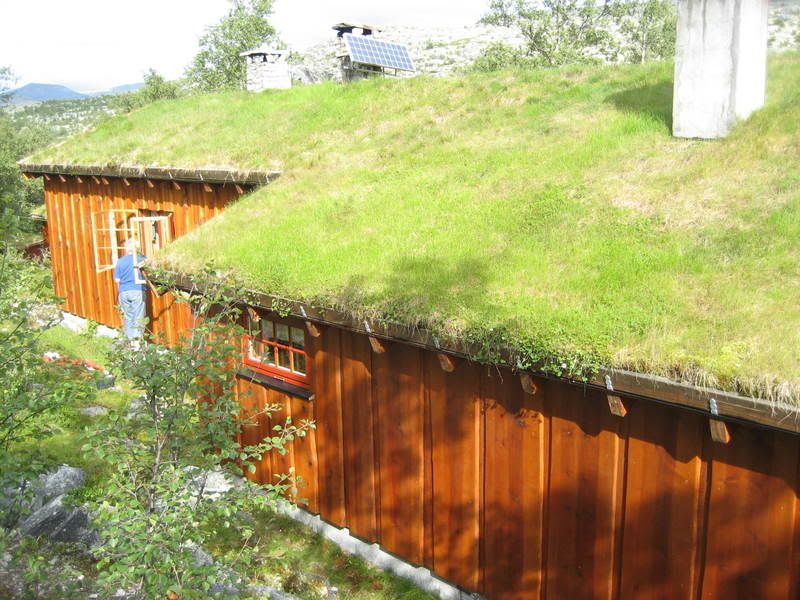
This is our cabin; the front view when you come walking down the path from the road. This entire side of it is the new addition. Well, 'new' addition. :-) The tiny building in the background is the new outhouse. The back of the building. That's my mother you see putting some fresh varnish on the window frames in the kitchen. :-)
 The old outhouse (left), now part woodshed and part storage shed, and the new woodshed (right). The new outhouse also doubles as an extra woodshed. We like to know we have plenty of wood to burn. :-)
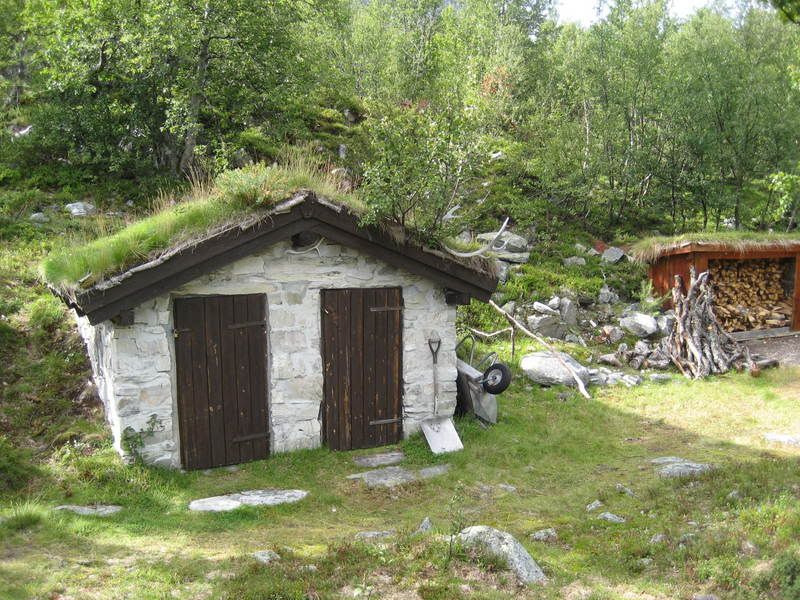 Side view of the old outhouse. My grandfather built this in the fifties.
 The new outhouse, right, and the new woodshed. (Yeah, they're not new, we just call them that ... cause everything else is so much older.)
 The cabin seen from outside the new outhouse. The old outhouse in the foreground ... as you see.
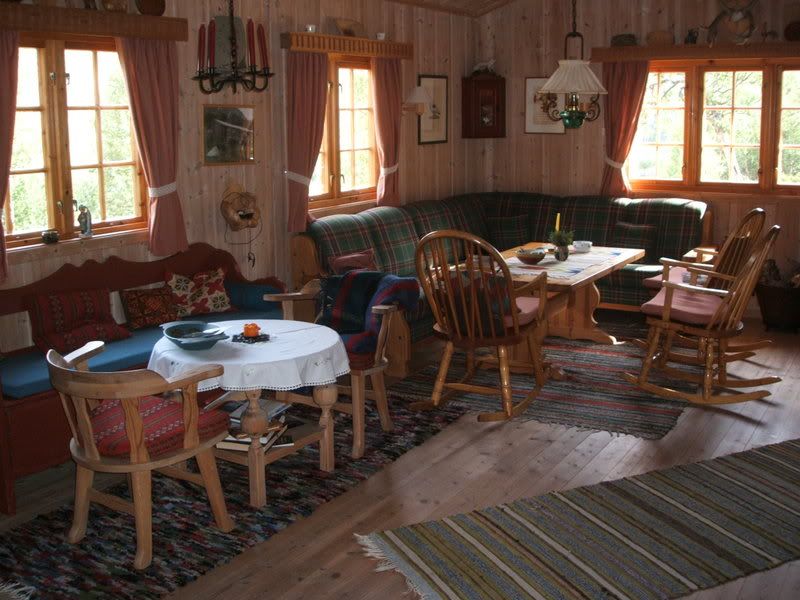
 A couple of views of the living room. We spend most of our time either outside or in this room.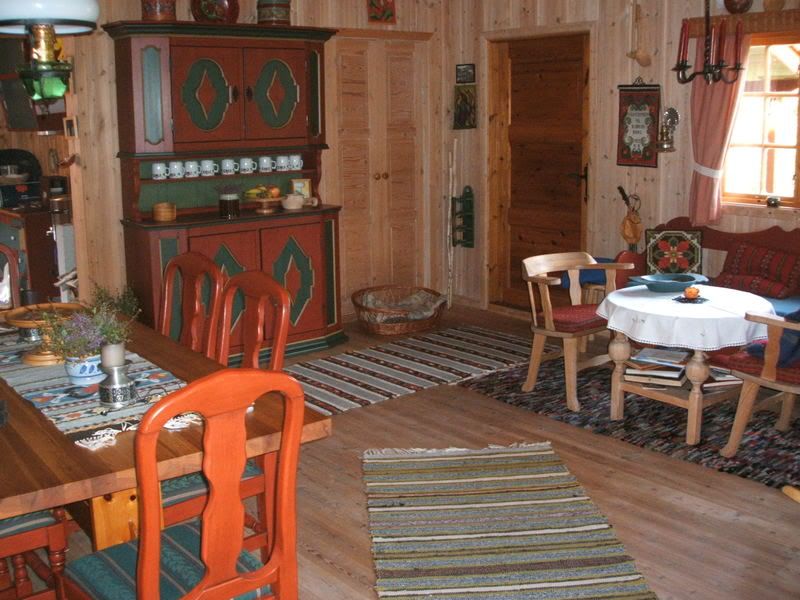
 The kitchen. Not entirely tidy ... this was taken on the day we were leaving.
 My grandmother's room. My room now, I guess. :-(
 Mount Musvollkampen seen from our property.
 The cabin seen from the path from the road. When you're standing where I was when I took the picture, you're literally a few seconds' walk away from the house. So it's pretty well concealed. From the road you have no idea that it's there. :-)
You can see the house in this photo, but just barely ... In closing, another view of Bjørnhollia - a very charming one if I do say so myself - with mount Musvollkampen in the background. This picture was taken this year. Doesn't it look wonderful there? Don't you just want to walk in there and put your feet up and get a nice cup of coffee? :-)
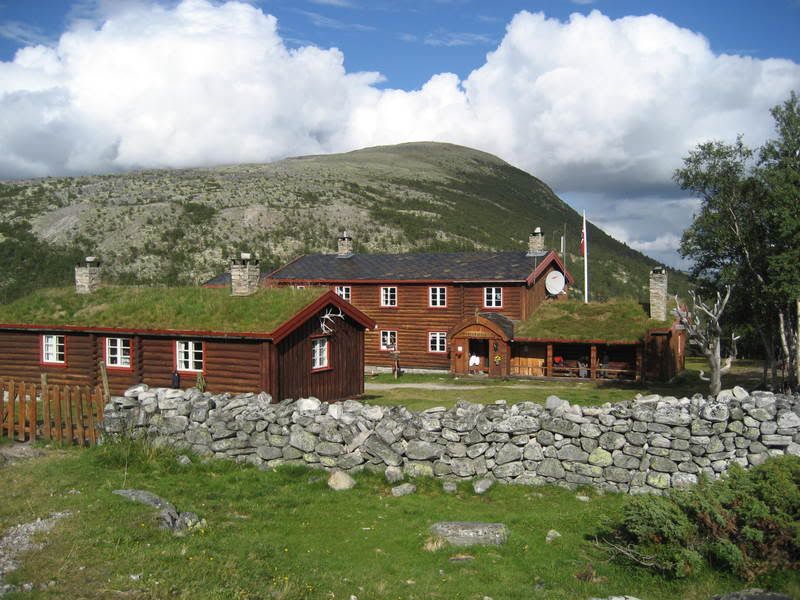 You'd be more than welcome to!! :-)



 Posts
All Comments
Posts
All Comments


